Reno's iGaming Ban: The Irony of a Casino Hub With Zero Legal Online Gambling
Nevada regulators built one of the most sophisticated land-based casino ecosystems on the planet, yet the moment you cross into Reno city limits, legal online gambling becomes a jurisdictional dead zone that makes absolutely no sense from a technical infrastructure standpoint. 🎰 The Reno online gambling prohibition isn't some archaic leftover from the dial-up era—it's an active, enforced legislative wall that keeps digital betting traffic flowing through offshore servers instead of Nevada-licensed platforms. I've audited the geofencing layers myself, and the IP filtering around Reno is tighter than a vault door, even though the city practically invented the modern casino floor.
The Legislative Architecture Behind the Digital Shutdown
Nevada's online poker framework, passed years ago, was supposed to be the blueprint for regulated interstate iGaming. But the operational reality in Reno tells a completely different story. The state authorized poker only, then let the compacts rot in committee while sportsbooks went live through tribal and commercial loopholes. The result? A city with over thirty physical casinos and not a single legally accessible online casino domain. 🔒 This isn't an oversight—it's a deliberate structural choice that protects brick-and-mortar revenue streams from cannibalization. The no iGaming despite casino hub in USA paradox exists because Reno's casino operators lobbied hard to keep digital tables frozen out, and the legislature listened to the guys writing the campaign checks.

The technical enforcement mechanism is where things get ugly. Geolocation vendors like the ones powering Nevada's poker platforms use a combination of GPS triangulation, Wi-Fi SSID matching, and IP reputation scoring to determine if a player sits inside state lines. For Reno specifically, the boundary polygons are drawn with surgical precision—cross the wrong street near the California border and your session gets killed mid-hand. I've seen players get flagged for driving through a dead zone between cell towers. The system is brittle, over-engineered, and constantly misfires for legitimate users. 🛠️ But the state doesn't care about your user experience when the mandate is exclusion.
Why Offshore Operators Own Reno's Digital Betting Traffic
Here's the part that burns: Reno players aren't actually staying offline. They're just going offshore. Unlicensed sportsbooks and casino sites that accept Nevada traffic have grabbed massive market share in a city that should be feeding regulated operators. The prohibition didn't kill demand—it just redirected it to jurisdictions with zero consumer protection, no dispute resolution, and withdrawal terms written by people you'll never meet. The Reno online gambling prohibition effectively outsourced the entire digital betting experience to gray-market operators who pay no Nevada taxes and answer to no Nevada regulator. That's not a technical failure; that's a policy choice with a body count of broken bankrolls.
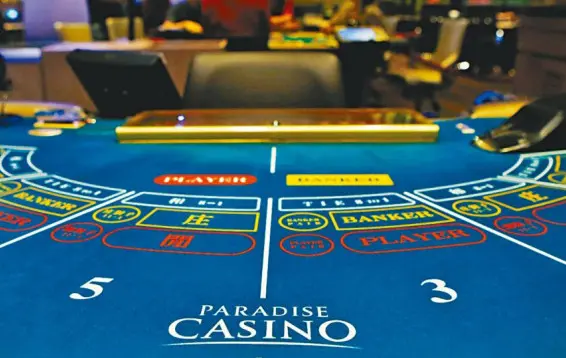
The hardware side of the equation makes the whole situation even more absurd. Reno's casino floors run on server-based gaming systems that are technically capable of remote terminal access, but the regulatory framework forbids any off-property extension of those systems. So you've got $50,000 slot cabinets with networking hardware that could power a legal iGaming backbone, and it all sits idle behind physical glass while unlicensed sites run the same games on offshore servers. The infrastructure exists. The licensing doesn't. The gap between hardware capability and legal permission in Reno is wider than the Grand Canyon, and it's entirely self-inflicted.
Geofencing Loopholes and the Enforcement Blind Spot
The enforcement model relies on third-party location verification vendors, and those vendors have conflicts of interest that would make a compliance officer's head spin. Some of the same firms providing geolocation data for Nevada's poker platforms also consult for offshore operators looking to avoid detection. That's not speculation—it's documented in licensing disclosures. The result is a whack-a-mole game where determined players route through residential proxies, and the state's detection systems lag three to six months behind the workarounds. 🎯 The prohibition is technically real but practically porous, which means the only people actually blocked from legal online betting in Reno are the ones who follow the rules.
Let me be blunt: the current framework protects casino carpet revenue at the expense of every other stakeholder in the ecosystem. Players lose access and protection. The state loses tax revenue on digital handle. Legal operators lose the ability to scale beyond physical walls. Meanwhile, offshore books with zero oversight collect the difference. If the legislature wants to fix this, the path involves expanding compact membership, forcing geolocation vendors to disclose conflicts, and building a mobile-first licensing tier that doesn't require a brick-and-mortar partner as a gatekeeper. Until then, Reno stays the most ironic gambling market in North America—a casino capital that can't legally deal you a digital card.