Jacks or Better Double Up: Should You Risk?
The Double Up feature in Jacks or Better is a sucker bet dressed in adrenaline, and the math behind it is brutally simple. You just won a hand, the machine flashes that tempting gamble button, and suddenly you are staring at a coin flip that pays even money on a game where the house already grinds you down. Here is the cold truth most players refuse to swallow: every time you press that button, you are handing the casino a fresh edge on a pure 50/50 proposition that is not actually 50/50 once you factor in the house's built-in trimming of the payout structure.
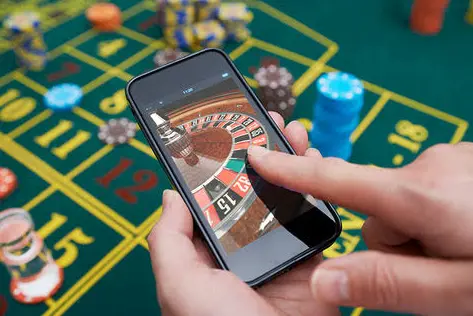
The Real Math Behind the Gamble
Strip away the flashing lights and the Double Up screen is nothing more than an even-money wager on a coin flip. Win, and your payout doubles. Lose, and everything you just earned evaporates. On the surface that sounds neutral. It is not. The house does not offer a fair coin. The Double Up feature typically resolves on a card comparison mechanic, and while the odds lean close to even, any tiny house advantage compounds against you across repeated trials. Run the expected value on a five-coin win and the math screams: taking the gamble cuts your expected return by a measurable percentage every single time you press the button. 😤
Think about it in raw numbers. If you are sitting on a $25 win and the Double Up offers a coin-flip resolution, your expected value from gambling is roughly $25 minus the house cut. That cut might look like pennies per press, but over a hundred presses in a session those pennies become dollars, and those dollars become a bankroll bleeding out through a thousand tiny cuts. The Double Up risk is not about one dramatic loss. It is about the slow, grinding erosion of a perfectly good win.

When the Gamble Becomes Insanity
Here is where the psychology turns predatory. The Double Up button is engineered to exploit loss aversion and the thrill of a near-miss. You just won, your dopamine is firing, and the machine offers you a chance to feel that rush again immediately. That is not a feature. That is a trap. 🎰 The only mathematically defensible time to consider the gamble is when you are playing with a bonus or promotional credit where the funds carry zero cash value until wagered through. In that narrow window, doubling up on house money costs you nothing real. For everyone else holding actual cash winnings, pressing that button is donating expected value back to the machine.
Veteran players know the discipline play: collect the win, bank it, and move to the next hand. The Jacks or Better paytable already runs tight margins on a full-pay machine, and the last thing your long-term return needs is a voluntary coin flip stacked against you. The Jacks or Better Double Up gamble is a variance amplifier, not a profit engine. It inflates your swings, deepens your downswings, and does absolutely nothing to improve your theoretical return percentage. The math does not care about your gut feeling, and the machine certainly does not care about your bankroll.
The Only Defensible Strategy
Treat the Double Up button like a landmine. Walk around it. The single exception, as noted, is promotional credit with no cash redemption path, and even then you should set a hard ceiling on how many consecutive gambles you will accept before cashing out the promo balance. For cash players, the decision is already made for you by the arithmetic: declining the gamble preserves your expected value, while accepting it surrenders a slice of it on every single press. That is not a risk worth taking. That is a leak in your game that the machine counts on you never plugging. 💸
The full-pay Jacks or Better return hovers around 99.5 percent with perfect play, and that razor-thin edge vanishes the moment you introduce a voluntary even-money wager with a hidden house trim. The Double Up gamble converts a near-break-even game into a losing proposition at the speed of your own button presses, and the house does not even need to change the paytable to do it.