Jacks or Better Double Up: Should You Risk?
The double-up gamble in Jacks or Better is not a bonus feature — it is a raw, unhedged coin-flip bolted onto a game that already runs on razor-thin margins. Every time you trigger it, the machine strips your winning hand off the table and forces you to pick red or black on a single card flip. That is not poker. That is a 50/50 event with a built-in house edge hiding in the fine print of the payout structure.
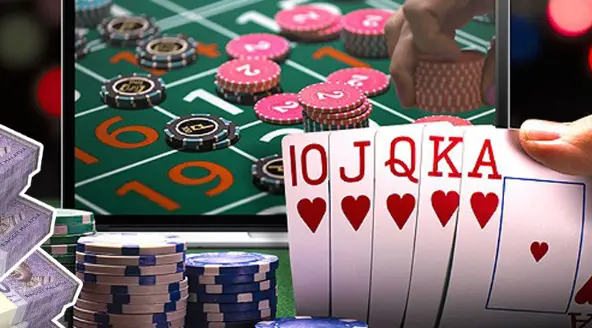
The Cold Math Behind the Flip
Here is what the glassy-eyed optimists never calculate: a true double-up on a fair coin pays even money, but the machine is not fair. Most video poker cabinets shave the return by paying less than true odds on a correct call, or by capping the doubled amount below 2x. When you run the numbers on Jacks or Better Double Up, the expected value of accepting the gamble sits somewhere between -2% and -5% per flip depending on the pay table. Compare that to the base game, where a full-pay 9/6 machine returns 99.54%. You are voluntarily trading a near-neutral game for a negative-expectation coin toss. That is not risk management. That is donating equity back to the operator with a smile.
Variance Is the Silent Killer
Even if the double-up were priced fairly, the variance profile would still wreck most bankrolls. A 50/50 gamble compounds volatility brutally. Win five flips in a row and you multiply your initial win by 32 — but the probability of doing that is 1 in 32, or roughly 3.1%. Lose once and the entire original win evaporates. The gambler's ruin math is unforgiving: players who always take the gamble face a geometric decay of their session bankroll. I have watched grinders turn a solid four-of-a-kind payout into zero in under thirty seconds because they could not resist the flashing double-up prompt. The psychological hook is the real machine here. 🎰

When the Risk Actually Makes Sense
There is exactly one scenario where accepting the double-up is defensible: when you are playing for a promotional target or a progressive trigger that requires a specific credit threshold, and you are already deep in a losing session with a defined stop-loss. In that narrow case, the double-up functions as a variance injection to reach a goal, not as a profit strategy. But for anyone grinding a positive or neutral base game, the correct answer is brutally simple — decline every single time. The double-up feature exists to convert skilled players into gamblers, and gamblers into revenue. It is the house's favorite lever because it looks generous while quietly bleeding your edge.
The Pay Table Trap
Audit the double-up screen before you ever touch it. Some machines advertise a "double" but actually pay 1.9x on a win, which turns an even-money proposition into a 5% house edge overnight. Others limit the doubled ceiling to a fraction of the max bet, capping your upside while leaving the downside uncapped. This asymmetry is the fingerprint of a predatory Jacks or Better Double Up implementation. The smart play is to read the fine print, calculate the implied return, and walk away from anything that does not pay a clean 2x on a genuine 50/50. Spoiler: almost none of them do. 🤨